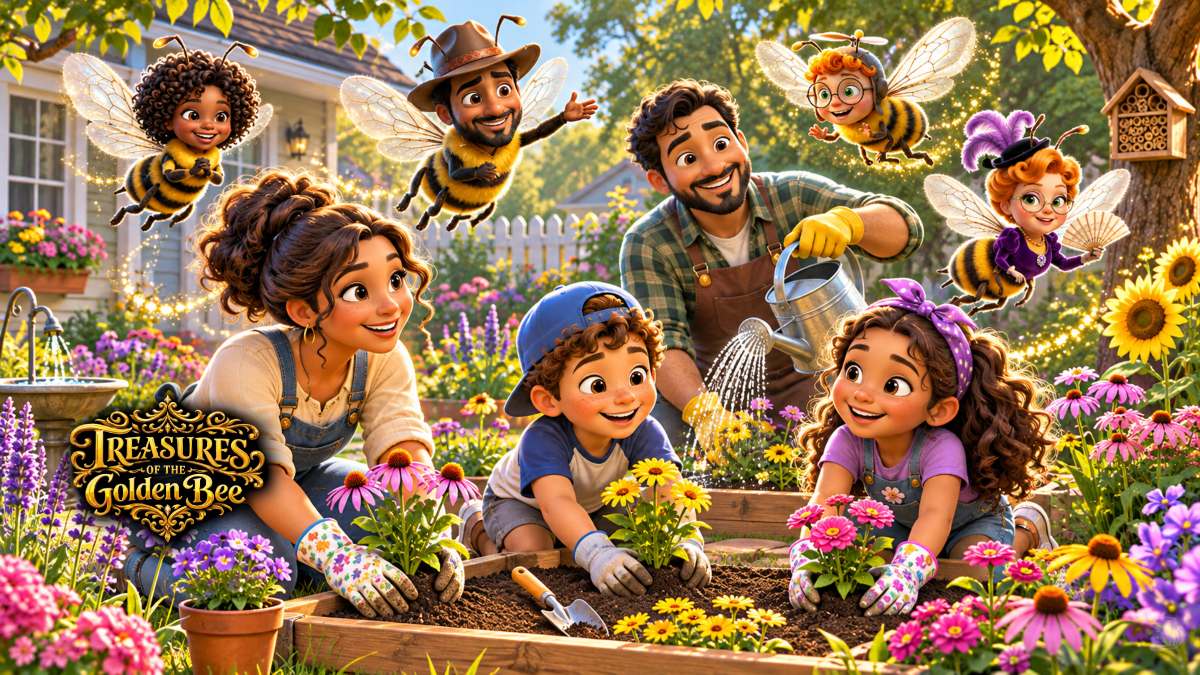
Buzz, buzz! Did you know that you can become a superhero for bees without wearing a cape?
That’s right! Every child has the power to help protect some of nature’s hardest-working little creatures.
Honeybees and other pollinators do amazing things every day. They visit flowers, collect pollen, and help plants produce many of the foods we love.
But bees face some big challenges, including disappearing habitats, harmful pesticides, and changing environmental conditions.
That’s why learning how to help the bees is so important!
Join the Pollen Pak as we discover ten exciting ways to make our world safer, healthier, and happier for our buzzing friends.
Why Do Bees Need Our Help?
Imagine waking up one morning and discovering that your favorite grocery store had disappeared. Where would you find food?
Bees face a similar problem when flowering plants and natural habitats disappear. They need flowers for nectar and pollen. They also need safe places to build their nests and raise their young.
When bees cannot find enough food or shelter, their populations can struggle. And that matters to everyone!
Bees help pollinate many plants that produce fruits, vegetables, nuts, and seeds. Protecting bees means protecting part of the natural world that helps feed us.
1. Plant Flowers That Bees Love
One of the easiest ways to help bees is to plant flowers. Bees visit flowers to collect nectar and pollen.
You can help by growing native flowers that naturally belong in your area. Depending on where you live, plants such as coneflowers, asters, goldenrod, and native sunflowers may provide valuable food.
Ask a grown-up to help you choose flowers suited to your local environment.
🌼 Pollen Pak Fun Fact: Different bees prefer different flowers, so planting several kinds can help more pollinators!
2. Create a Bee-Friendly Garden
You don’t need a gigantic backyard to help bees. Even a small garden or a few flowerpots can provide food for visiting pollinators.
Try growing flowers that bloom at different times throughout spring, summer, and fall. That way, bees have more opportunities to find food throughout the growing season, and they don’t have to fly as far to find it.
Think of your garden as a tiny restaurant for hungry bees!
3. Give Bees a Safe Place to Live
Did you know that not all bees live in beehives? Many wild bees live underground or build nests inside hollow plant stems and pieces of wood. Some bees prefer small patches of bare, undisturbed soil.
With an adult’s help, you can protect safe nesting areas by leaving some fallen leaves, plant stems, and natural garden spaces alone.
Remember, a garden doesn’t have to look perfectly tidy to be a wonderful home for wildlife.
4. Help Keep Harmful Chemicals Away
Sometimes people spray gardens with chemicals called pesticides. Certain pesticides can harm bees and other helpful insects.
Ask the grown-ups in your family to choose bee-friendly gardening methods and avoid unnecessary pesticide use. You can also learn how ladybugs and other helpful insects naturally control some garden pests.
Helping bees starts with keeping their food and habitats safe.
5. Provide a Safe Water Source
Just like people, honeybees need water. Bees use water for drinking and to help regulate conditions inside their colonies.
With adult supervision, you can create a shallow water station with pebbles that provide safe places for insects to land. Keep the water shallow, refresh it regularly, and clean the container so it doesn’t become a breeding place for mosquitoes.
What a thoughtful gift for a thirsty bee!
6. Never Disturb a Beehive
Imagine someone shaking your house while you were relaxing inside. You probably wouldn’t like that! Bees don’t like having their homes disturbed either.
If you discover a beehive or wild bee nest, watch from a safe distance. Never poke, shake, or attempt to move it yourself.
If a colony is causing problems near a home or playground, ask a responsible adult to contact an appropriate bee or wildlife professional. Giving bees space helps protect both people and pollinators.
7. Learn About Different Types of Bees
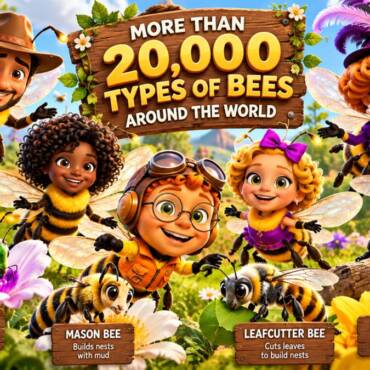
Did you know scientists have identified more than 20,000 bee species worldwide? Some are big and fuzzy, while others are tiny and shiny.
Honeybees, bumblebees, mason bees, carpenter bees, and leafcutter bees all have fascinating lives. And here’s something surprising: most bee species don’t live in giant colonies like honeybees!
Learning about different bees helps us understand what makes each one special. The more you know, the better you can help.
8. Protect Wildflowers and Natural Spaces
Not every beautiful garden needs to be perfectly trimmed. Wildflowers, flowering trees, and natural meadows provide food and shelter for many pollinators.
Ask a grown-up whether part of your yard can become a small wildlife-friendly space. Avoid picking every flower so that bees can continue visiting the blossoms.
Sometimes, helping nature means allowing nature to grow!
9. Teach Your Friends Why Bees Matter
Want to know a secret? One of the greatest ways to help bees is to teach other people about them.
- Share a fun bee fact with a friend.
- Create a colorful drawing showing bees visiting flowers.
- Make a poster explaining why pollination matters.
- Organize a bee-themed learning activity at school with your teacher.
Every person who learns about pollinators can become another friend to nature.
10. Become a Pollen Pak Bee Protector!
Here’s your biggest mission yet! Become an official bee protector in your own backyard, neighborhood, or school.
Start by choosing one small action. Maybe you’ll plant a flower, learn about a native bee, or help your family create a pollinator-friendly garden. Then challenge someone else to do the same.
Imagine what could happen if thousands of children each made one small improvement for bees. Together, those little actions could create more food and shelter for our buzzing friends.
That’s the power of teamwork!
Frequently Asked Questions About How to Help the Bees
What is the easiest way to help bees?
Planting native, bee-friendly flowers is one of the simplest ways to help bees find nectar and pollen.
Can kids really help save bees?
Yes! Children can help by planting flowers with adults, protecting natural spaces, learning about pollinators, and encouraging others to care for wildlife.
Should I feed a bee honey or sugar water?
It’s generally better to help bees by growing flowers rather than routinely feeding them honey or sugar water. Never place honey outside for wild bees because it may spread bee diseases.
Are all bees endangered?
No. Different bee species face different challenges. Some populations are relatively stable, while others have experienced serious declines.
How can I help bees without a backyard?
You can grow suitable flowers in containers, support community gardens, help school gardening projects, or teach others about pollinator protection.
The Pollen Pak Golden Lesson: Every Little Bee Matters!
Now you know how to help the bees! You don’t have to be a scientist, a beekeeper, or even a grown-up to make a difference. All you need is curiosity, kindness, and a willingness to care for the natural world.
Every flower you plant can provide food. Every safe nesting space can offer shelter. And every person you teach can help spread the message.
The wonderful world of bees reminds us that even the smallest creatures can do extraordinary things.
So the next time you see a honeybee buzzing past your garden, remember that she’s part of something much bigger. She’s helping her colony, visiting flowers, and supporting the amazing web of life around us.
Join the Pollen Pak mission: Bee kind. Bee curious. Bee a protector of our planet!
Because when we help the bees, we help make the world a better place for everyone. 🐝🌻
🐝 More Bee Adventures
- Life Is Better with Honey! A Sweet Adventure with the Bees
- Why Bees Dance: The Secret Language of Honeybees!
- Why Bees Need Pollen: The Secret Superfood That Helps Honeybees Grow!
- How Far Do Bees Fly? Amazing Bee Facts for Kids
- How Many Types of Bees Are There? Fun Bee Facts for Kids
- How Fast Do Bees Fly? Discover the Amazing Speed of Honeybees!
- Who Is the Queen Bee and What Does She Do? Secrets Inside the Royal Beehive!
About the movie: The Children’s Film Designed to Help Kids Fall in Love With Bees Again
🐝 Help Us Make This Movie!
Treasures of the Golden Bee is an animated family film being made with the help of families like yours. Become a Producer and help bring the Pollen Pak to the big screen.