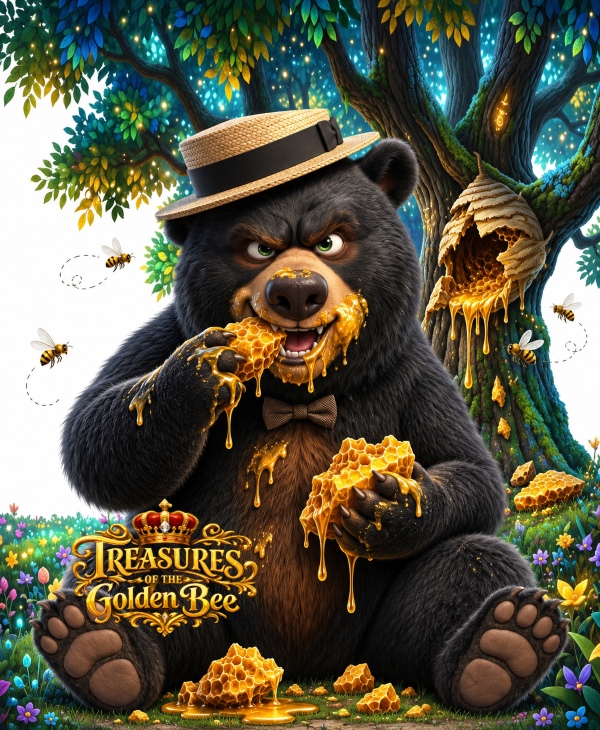
Buzz, buzz, buzz! Have you ever wondered how something so tiny as a honeybee can make something so delicious as honey?
Imagine a beautiful sunny morning. Flowers are blooming, birds are singing, and busy little honeybees are flying from flower to flower.
These amazing bees are on a very important mission. They’re collecting sweet nectar to make one of nature’s most wonderful treats.
That’s right. We’re talking about HONEY!
Honey is golden, sticky, sweet, and absolutely delicious. But did you know that honey is more than just something yummy to eat? It has an amazing story, and the little bees who make it are some of nature’s hardest workers.
So grab your imaginary wings, put on your explorer’s hat, and join the Pollen Pak for a sweet adventure!
What Is Honey, Anyway?
Honey is a naturally sweet food made by honeybees.
But bees don’t just find honey sitting inside flowers. They actually make it themselves!
First, a honeybee visits a flower and uses its special tongue to collect a sugary liquid called nectar. Then the bee carries that nectar back to its hive, where other bees help turn it into honey.
The bees remove extra water from the nectar and store the thick, sweet honey inside tiny wax rooms called honeycomb cells.
Pretty amazing, right?

And here’s something even more amazing: a single honeybee makes only a tiny amount of honey during her lifetime.
That’s why bees must work together as a team. Thousands of bees help collect nectar, care for the hive, and keep their honey safe.
🐝 Pollen Pak Fun Fact: Honeybees have six legs, two antennae, and four wings!
Why Is Honey So Special for Our Bodies?
Honey doesn’t just taste good. It also contains some interesting natural ingredients. Let’s discover a few of them!
1. Honey Gives Us Energy to Play
Do you love running, jumping, dancing, riding your bicycle, or playing your favorite game? Your body needs energy for all those exciting activities.
Honey contains natural sugars called glucose and fructose. Your body can use these sugars as fuel. That means honey can provide energy, just like other foods containing carbohydrates.
But remember, little explorers: too much sugar isn’t good for our bodies or teeth. Enjoy honey in small amounts as part of a balanced diet.
2. Honey Can Help Soothe a Scratchy Throat
Uh-oh! Has your throat ever felt scratchy when you had a cold?
Honey may help soothe a sore throat and calm some coughs. Its thick, smooth texture can coat your throat and make it feel more comfortable.
Some parents mix a little honey into warm water or caffeine-free tea when their children aren’t feeling well. Honey isn’t magic medicine, and it doesn’t cure colds. But it may help provide some relief.
⚠️ Important Bee Safety Rule: Babies younger than one year old must never eat honey. Older children should ask a parent or caregiver before trying it as a home remedy.
3. Honey Has Tiny Natural Helpers Called Antioxidants
Now here’s a big word: antioxidants!
Can you say it? An-tee-ox-ih-dents!
Antioxidants are substances that help protect our body’s cells from certain kinds of damage. Honey contains small amounts of these natural compounds, which come partly from plants.
Different flowers can produce different types of honey, and some honey varieties contain more antioxidants than others.
But honey isn’t a replacement for healthy foods. Fruits, vegetables, whole grains, and other nutritious foods are especially important for helping our bodies grow strong.
Honey vs. Sugar: What’s the Difference?
Have you ever sprinkled white sugar on your cereal or watched someone stir sugar into a drink?
Sugar and honey both make foods taste sweet. But they’re not exactly the same.
- White table sugar is usually made from sugar cane or sugar beets.
- Honey comes from flower nectar collected and transformed by bees.
Honey also contains tiny amounts of natural plant compounds that ordinary white sugar usually doesn’t contain.
Does that mean you can eat as much honey as you want? Nope!
Honey still contains lots of sugar, and too much can be unhealthy. If you want to make your breakfast a little sweeter, you might try a small drizzle of honey instead of adding lots of sweetener.
🍯 The Pollen Pak Golden Rule: A little sweetness can be delightful, but balance is what helps us grow healthy and strong!
How Do Bees Make Honey? Let’s Follow a Honeybee!

Imagine being a tiny honeybee for one day. Your mission? Help your hive make honey!
- Find some flowers! You fly through a beautiful garden looking for blossoms filled with nectar.
- Collect the nectar! You use your special tongue to sip nectar and store it in a special part of your digestive system sometimes called a honey stomach.
- Fly back to the hive! You return home carrying your sweet treasure.
- Work with your bee friends! Other bees help process the nectar and reduce its water content.
- Store the honey! The bees place the honey inside hexagon-shaped honeycomb cells and cover the filled cells with wax.
Mission accomplished! Now the hive has food stored for times when flowers are scarce.
Isn’t teamwork wonderful?
Why Bees Are Superheroes of Nature
Honeybees do something incredibly important while visiting flowers. They help plants grow!
When a bee lands on a flower, tiny grains of pollen can stick to its body. As the bee visits another flower, some of that pollen may transfer to the new flower. This process is called pollination.
Pollination helps many plants make seeds, fruits, and nuts. Think about some of your favorite foods: apples, blueberries, almonds, and pumpkins. Bees and other pollinators help many of the plants that produce these foods.
Without pollinators, growing some of our favorite fruits and vegetables would be much harder. That’s why honeybees, bumblebees, butterflies, and other pollinating animals are so important.
They may be little, but they have a BIG job!
Five Fun Honey Facts That Will Make You Say WOW!
- Honey comes in different colors! Some honey looks light yellow, while other varieties appear dark amber or brown.
- Bees communicate by dancing! Honeybees can perform a special waggle dance to help other bees locate food.
- Honeycomb has six-sided cells! These shapes are called hexagons, and they fit together without leaving gaps.
- Honey can last a very long time! When properly stored, its low water content helps keep many microorganisms from growing.
- Honey tastes different depending on the flowers! Clover, orange blossom, and wildflower honey can each have their own unique flavor.
Who knew one little jar could hold so many fascinating secrets?
Sweet and Simple Ways Kids Can Enjoy Honey
Want to try honey in a fun way? Here are some tasty ideas to explore with a grown-up.
Honey Banana Bites
Slice a banana, add a little plain yogurt, and finish with a tiny drizzle of honey.
Honey Apple Crunch
Spread a thin layer of nut butter on apple slices, if you can safely eat nuts, then add a few drops of honey.
Honey Oatmeal Surprise
Mix a small amount of honey into warm oatmeal and add strawberries or blueberries.
Honey Yogurt Swirl
Stir a little honey into plain yogurt and top it with your favorite fruit.
These snacks combine honey with foods that provide other important nutrients. Remember to brush your teeth regularly, because honey contains sugar just like many other sweet treats.
How Can Kids Help Save the Bees?
Now that you know how amazing honeybees are, you might be wondering how to help them. The good news? Even kids can make a difference!
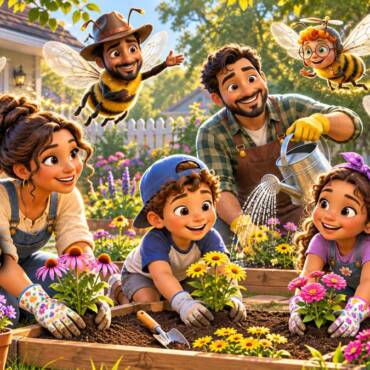
You can plant bee-friendly flowers with a grown-up, learn about local pollinators, and help keep gardens clean.
You can also ask your family to avoid unnecessary pesticide use around flowering plants.
And when you see a bee flying near a flower, give it plenty of space to do its important work.
Bees usually aren’t interested in bothering people. They’re busy searching for food and helping their colonies survive.
Protecting bees means helping protect the beautiful world we all share.
Life Really Is Better with Honey!
From colorful gardens to golden honeycombs, honeybees remind us that even the smallest creatures can do extraordinary things.
Honey gives us a tasty treat, provides energy, and contains small amounts of interesting natural substances. But the greatest lesson honeybees teach us might be something even sweeter.
Teamwork makes amazing things possible!
Every bee has a job. Every flower has a purpose. And every tiny contribution helps the hive grow stronger. That’s a lesson children and grown-ups can carry into everyday life.
So the next time you enjoy a little honey, remember the thousands of tiny wings, beautiful flowers, and hardworking bees that helped create it.
And remember this special message from the world of Pollen Pak:
Be kind. Work together. Protect nature. And always look for the sweetness in life!
Because life really is better with honey! 🍯🐝
🐝 Help Us Make This Movie!
Treasures of the Golden Bee is an animated family film being made with the help of families like yours. Become a Producer and help bring the Pollen Pak to the big screen.
Frequently Asked Questions About Honey for Kids
Do bees eat honey?
Yes! Honeybees make honey to provide food for their colony, especially when they cannot collect enough nectar from flowers.
Can kids eat honey?
Most children older than one year can enjoy honey in small amounts, unless they have a relevant allergy or medical restriction. Babies younger than 12 months must never have honey.
Why is honey sticky?
Honey is sticky because it contains concentrated natural sugars and relatively little water.
Is honey healthier than candy?
Honey contains small amounts of plant compounds, but it is still mostly sugar. Neither honey nor candy should replace nutritious everyday foods.
Why should we protect bees?
Bees help pollinate many plants that produce food and support healthy ecosystems.
What can we learn from honeybees?
Honeybees show us the importance of teamwork, cooperation, and caring for our shared home: Planet Earth!
🐝 More Bee Adventures
- Why Bees Dance: The Secret Language of Honeybees!
- Why Bees Need Pollen: The Secret Superfood That Helps Honeybees Grow!
- How Far Do Bees Fly? Amazing Bee Facts for Kids
- How Many Types of Bees Are There? Fun Bee Facts for Kids
- How to Help the Bees: 10 Easy Ways Kids Can Save Our Buzzing Friends!
- How Fast Do Bees Fly? Discover the Amazing Speed of Honeybees!
- Who Is the Queen Bee and What Does She Do? Secrets Inside the Royal Beehive!
About the movie: The Children’s Film Designed to Help Kids Fall in Love With Bees Again